AI systems and product engineering · Deliver Globally
AI systems and product engineering·Deliver Globally
The model is 30% of the work.We’re built for the other 70%.
TBC is a five-person team in the Bay Area and Vancouver that takes AI from demo to production: realtime voice, retrieval and video generation, the product around them, and the GPUs underneath.
Enterprise clientFood, health and pharma distribution, Western CanadaIn production
Pattison Food Group & IDCI
The group behind Save-On-Foods, PriceSmart Foods, Urban Fare and Quality Foods: ERP, intelligent operations and AI applications, plus the system upgrade and data migration for IDCI, its pharmaceutical wholesaler.
Pattison Food Group
Several large system engagements: ERP build-out and customisation, intelligent operations management, and AI applications.
IDCI
The legacy ERP moved onto a cloud ERP on Azure, with a full MySQL-based data migration and a stable system after go-live.
Own productVideo generation on our own micro AI data center
AI Chili
A text-to-film video platform: text-to-video, image-to-video and batch rendering through an API, with characters and style kept consistent from shot to shot. We built the micro AI data center it runs on.
30slongest continuous multi-shot sequence at 1080p
3tiers of Blackwell GPUs, routed per job
StackNVIDIA B200, RTX PRO 6000 and RTX 5090, Kubernetes, LoRA fine-tuning
Contract engineeringHoneypot Finance, since 2023In production
Multi-chain DeFi platform
Six Next.js apps in one Nx monorepo, from a DEX and perpetual futures with a live order book to a launchpad and a governance market, with wallets across EVM, Solana and Cosmos.
$90M+trading volume
53K+active users
1.9M+trades executed
StackNext.js, TypeScript, Wagmi, Viem, tRPC, Apollo GraphQL, Nx
06
Hackathon1st place, NVIDIA DGX Spark Hackathon, China 2026
EnterOS
Build multi-agent teams the way you’d staff a company: an org-chart view, an agent-to-agent protocol, three-tier memory, and a marketplace for tools, agents and whole departments.
A cross-platform app for spending USDT, USDC and USD1 through a Visa debit card, with Apple Pay and Google Wallet, Face ID or passkey sign-in, KYC, and live transaction tracking.
One call, four stages — and the caller never hears silence.
Scroll or tap through the production architecture: the path an emergency call takes from a stalled car to a spoken answer, and what happens when something fails.
Someone is trapped on floor 12. The call hits Twilio and streams over a WebSocket to a stateless worker. No keypad menu, no queue.
Azure streaming recognition with tuned endpointing turns speech into text while the passenger is still talking. Barge-in means they can interrupt.
The LLM answers from the emergency SOPs via RAG. Every piece of call state lives in Redis under the CallSid, so any worker can take over. A watchdog reassigns a call ten seconds after a heartbeat goes quiet.
Streaming synthesis overlaps with generation. If a stage times out: shorter prompt → cached answer → human operator with full context. The caller never hears silence.
Latency comparison · one conversational turn
Blocking: each stage waits for the lastFirst audio ≈ 6.8s
STT 1.5sLLM 3.8sTTS 1.5sFirst audio
Streaming: listen, think and speak at onceFirst audio ≈ 2.3s
First sentence 1.5sRemaining sentences: generation and playback fully overlapFirst audio
0 – 7.5 seconds
That’s how long the caller waits to hear anything at all. Inside an elevator, it’s the difference between nobody is coming and someone is helping.
Figures are typical production ranges, not a single measurement. Full breakdown in the note on latency engineering.
04/Contact
Give us 30 minutes. You’ll get a straight answer.
Tell us the use case, where the data lives and where it’s stuck. We’ll tell you whether AI is the right tool, roughly how long it will take and what to do first. If it isn’t worth doing, we’ll say so.









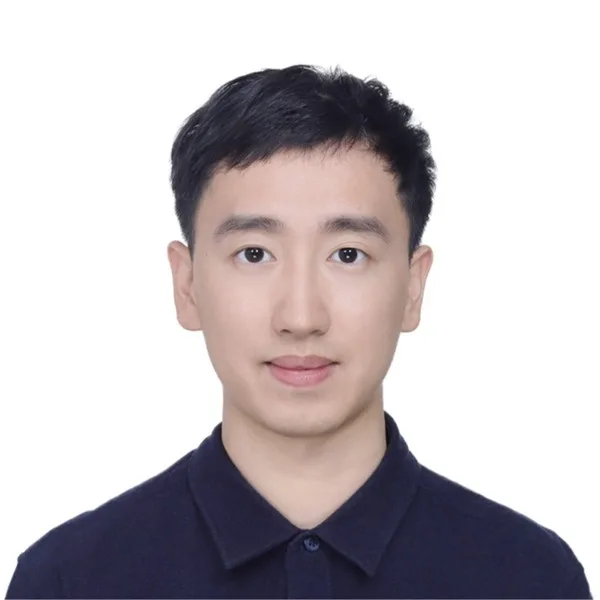

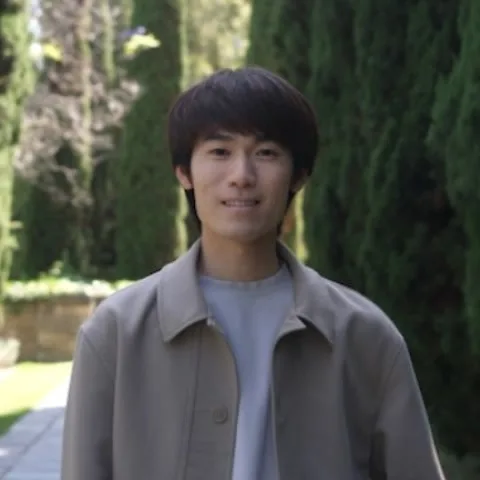


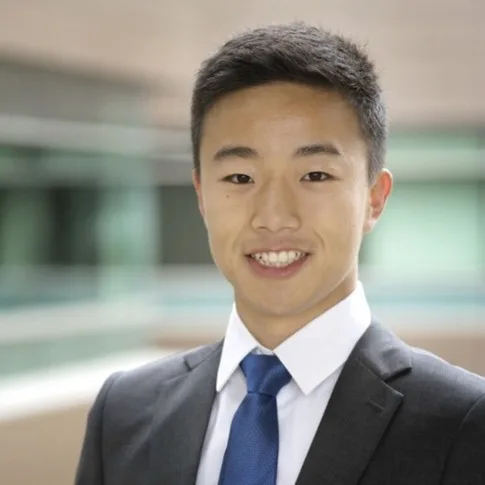
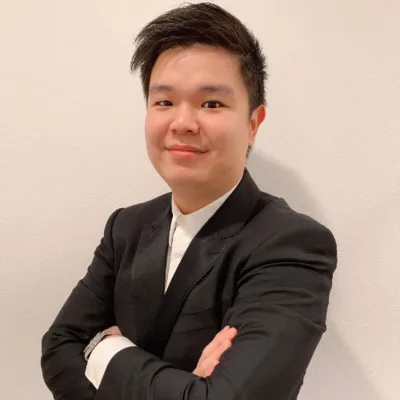





 Reno Yao
 Jason Zhu
 Hongming Wang
 Jason Jiang
 Tom Lam